

Sector · clinics and hospitals
Hospital electrical installation and substation maintenance in Bogotá
We work in clinics and hospitals where power simply cannot fail: operating theatres, intensive care and diagnostic imaging. We work without shutting the facility down, and we leave everything certified.
The starting point
In a hospital, an electrical fault is not an inconvenience — it is a clinical risk
A hospital maintenance manager lives with a particular kind of tension. They know the substation has years on it, that the operating-theatre panels have never been opened, and that the power quality study has been deferred across three budget cycles. But they also know nothing can be switched off: there are patients connected to equipment, scheduled surgeries, and imaging systems that tolerate neither an outage nor a voltage swing.
The outcome is usually the same everywhere: maintenance is postponed until something fails, and then the work arrives at the worst possible moment and at the worst possible cost. Our experience in tertiary-care institutions is precisely the opposite: planning the work around clinical operations rather than the other way round. Working zone by zone, in defined time windows and with transfers arranged in advance, so that service is never interrupted where it matters.
Get a quoteCritical points
What the regulations require in a healthcare facility
Patient care areas carry requirements that do not apply in an office or a warehouse. RETIE and NTC 2050 — the Colombian Electrical Code — impose specific conditions that are often discovered late, once the institution is already going through licensing or recertification.
Isolated power systems with line isolation monitors in operating theatres and wet procedure areas.
Equipotential grounding in patient care areas, with verifiable continuity.
Emergency power system with automatic transfer and bounded switching times.
Separation of critical, equipment and general service branch circuits.
Current RETIE certification, and recertification whenever alterations or extensions are made.
Recorded, traceable measurements — essential in licensing audits.
Our scope
What we do in clinics and hospitals
We cover the full cycle, from design and utility permitting through to recurring maintenance. In practice, most institutions call us for one of three reasons: a RETIE recertification bearing down on them, a substation that has gone without maintenance, or an extension that forces the service entrance to be redesigned.
Design and permitting
Electrical design and utility permitting through to RETIE certification.
Substations
Assembly and maintenance of substations and both dry-type and oil-filled transformers.
Isolation panels
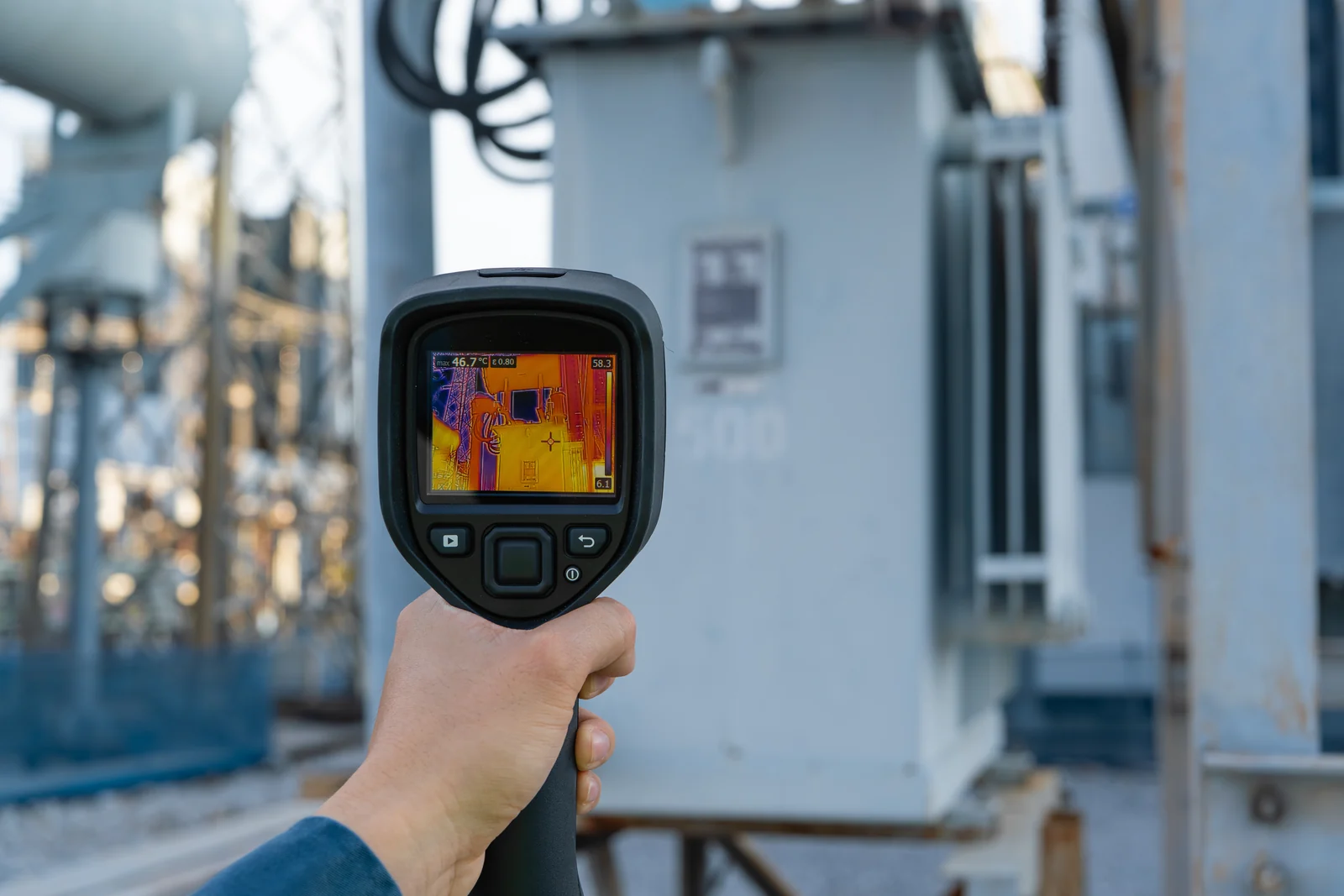
Maintenance of operating-theatre isolation panels with thermographic analysis.
Power quality
Power quality studies with harmonic and power factor correction.
Equipotential bonding
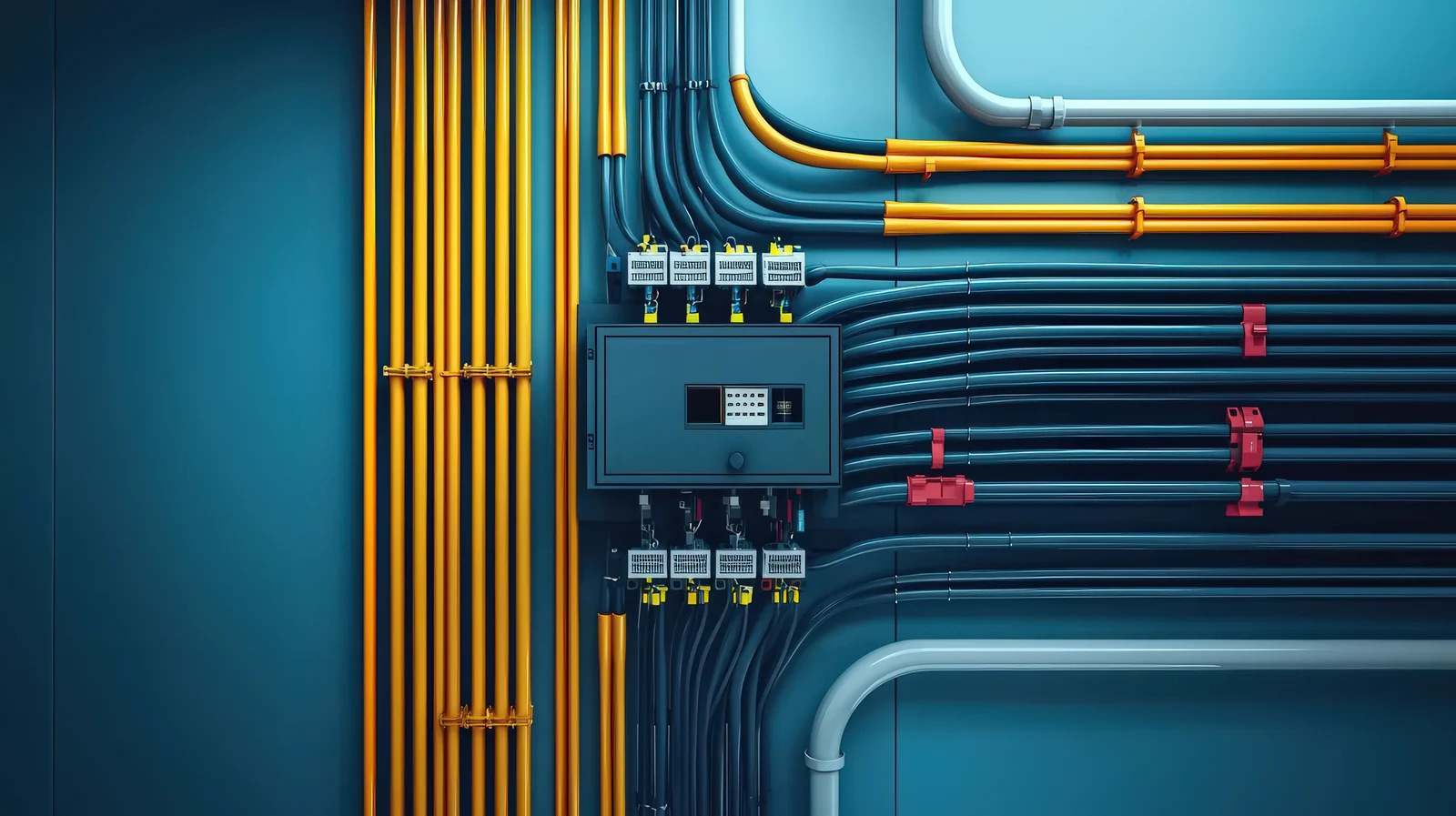
Grounding measurements and equipotential bonding upgrades.
Data and security
Structured cabling, fibre optics, CCTV and access control.
Recertification
Remedial work for RETIE recertification of existing installations.
Material supply
Supply of certified materials and equipment.
What applies here
Services for this sector
In clinics the weight falls on maintenance and certification, without stopping operations.




The proof
Institutions where we have already done it
Maintenance of 225 and 300 kVA electrical substations, safeguarding continuity of the critical systems of a leading cardiovascular institution.
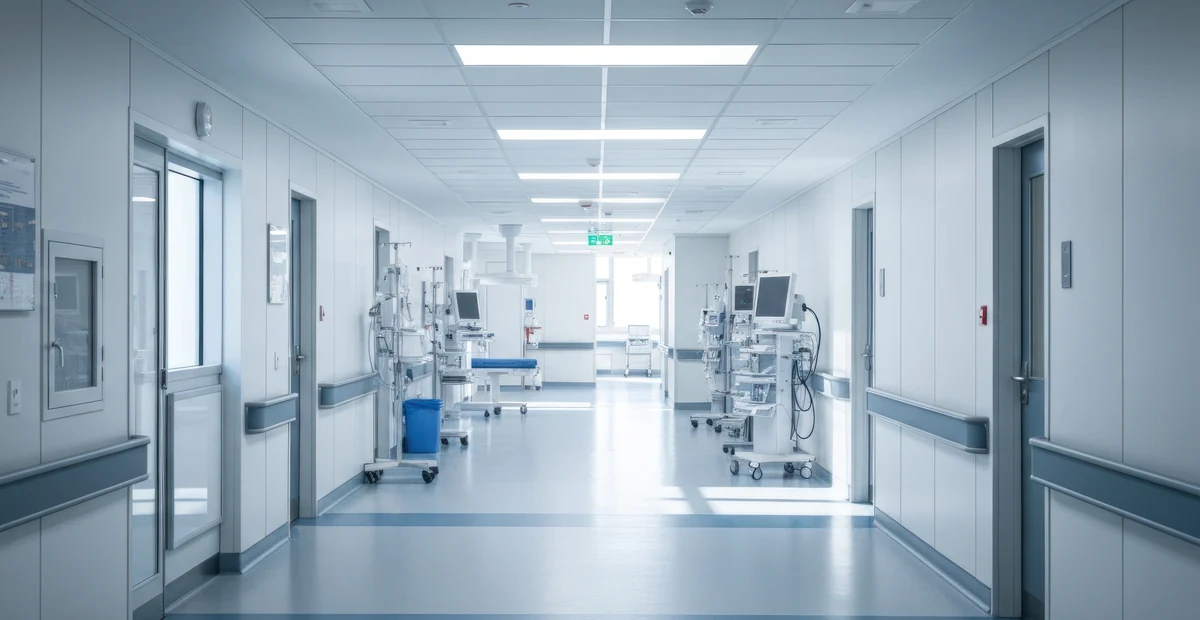
Hospital Universitario Nacional de Colombia
Substation maintenance covering 1000, 630, 500, 225 and 112.5 kVA transformers, maintenance of low-voltage switchboards, and remedial work for the facility's RETIE recertification. A transformer fleet of that size has to be worked on in stages, with no critical service ever left without backup.
View the project
Tools
Software we work with
We design, model and document every project with professional engineering, BIM, calculation and visualization tools.










Frequently asked questions
Your questions, answered
Can you work without shutting down the clinic?
Do you handle the utility permitting?
How often should a hospital substation be maintained?
More sectors
Other sectors we serve
We work as integrators for companies and projects across different sectors, adapting each solution to the technical and regulatory demands of every industry.




Does your clinic have a recertification or a service overdue?
Tell us what you need and get a tailored quote. We advise you from the very first idea.